
Picture this: a scorching summer day, the sun beating down relentlessly, and you’re miles away, worrying about your precious tomato plants wilting. Or perhaps you’re meticulously managing a sprawling landscape, juggling schedules and second-guessing whether that overhead spray is just right or a touch too much. For many of us, watering our gardens, lawns, or even agricultural fields can feel like a constant guessing game. We rely on intuition, weather forecasts, and often, sheer habit. But what if there was a way to move beyond guesswork, a way to ensure every drop of water was used with precision and purpose? This is precisely where the fascinating world of smart irrigation systems steps in, promising a more intelligent, efficient, and dare I say, almost intuitive approach to hydration.
The Evolving Landscape: Beyond the Sprinkler Timer
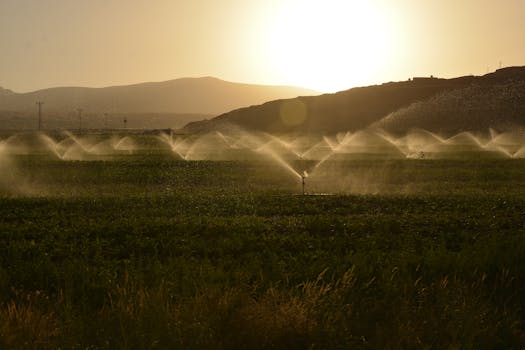
For decades, the humble sprinkler timer was the pinnacle of automated watering. Set it and forget it, right? While a vast improvement over manual watering, these systems operate on rigid schedules, oblivious to the nuanced needs of plants or the ever-changing environmental conditions. They water the same amount at the same time, regardless of recent rainfall, soil moisture levels, or the specific water requirements of different plant species. It’s like giving a child the exact same meal every single day, irrespective of their hunger or dietary needs. This leads to two common, yet often overlooked, problems: overwatering, which can lead to root rot, fungal diseases, and wasted resources, and underwatering, which stresses plants, stunts growth, and reduces yields.
This is where the concept of smart irrigation systems truly shines. They represent a paradigm shift, moving from scheduled watering to needs-based watering. Instead of a timer dictating when and how long, these systems leverage a symphony of sensors, data, and intelligent algorithms to determine the optimal watering schedule for your specific landscape, at your specific moment. It’s a nuanced conversation between your landscape and its hydration source, facilitated by technology.
How Do These Intelligent Systems Actually Work?
At their core, smart irrigation systems are designed to collect real-time data and make informed decisions. But how do they achieve this seemingly magical feat? It’s a combination of interconnected components working in harmony:
Soil Moisture Sensors: These are the silent sentinels of your soil. Placed strategically within the root zone, they continuously measure the amount of water present in the soil. When moisture levels drop below a pre-determined threshold, the system is alerted. It’s akin to your plant having its own internal hydration gauge.
Weather Stations & Forecast Integration: Many smart systems connect to local weather stations or pull data from online meteorological services. This allows them to anticipate rain, understand temperature, humidity, and wind speed – all crucial factors influencing how quickly water evaporates from the soil and how much water your plants actually need. If a significant rainfall is imminent, the system can intelligently skip scheduled watering, preventing saturation.
Smart Controllers: This is the brain of the operation. These controllers, often Wi-Fi enabled, receive data from sensors and weather services. They then process this information using sophisticated algorithms to calculate precise watering durations and frequencies. Many can be controlled and monitored remotely via a smartphone app, offering unparalleled convenience.
Flow Meters: Some advanced systems incorporate flow meters to track the exact amount of water being used. This not only helps in optimizing water consumption but can also detect leaks, preventing potentially significant water wastage and costly damage.
The Tangible Benefits: More Than Just a Fancy Gadget
The allure of a smart irrigation system isn’t just about technological sophistication; it’s about the very real, tangible benefits they deliver.
#### Saving Precious Water and Your Wallet
This is perhaps the most compelling advantage. By watering only when necessary and applying the right amount of water, smart systems can drastically reduce water consumption. Studies have shown savings of 30-50% or even more compared to traditional timer-based systems. This translates directly into lower water bills, a significant consideration for homeowners and agricultural operations alike. In regions facing water scarcity or drought, these systems become not just an economic choice, but an environmental imperative.
#### Healthier, Happier Plants
Consistent, optimized watering leads to stronger, more resilient plants. When plants receive the correct hydration, their root systems develop more robustly, making them better able to withstand stress from heat, drought, or disease. This can lead to improved plant vigor, enhanced flowering, and more abundant fruit or vegetable yields. I’ve often found that a landscape that’s consistently well-cared for, even with less overall water, looks and performs demonstrably better than one that experiences cycles of drought and deluge.
#### Convenience and Peace of Mind
The ability to monitor and control your irrigation system from anywhere via a smartphone app is a game-changer. Whether you’re on vacation, at work, or simply out running errands, you have complete oversight. No more worrying about forgetting to turn off the sprinklers or hoping the timer is set correctly. This remote access provides immense convenience and invaluable peace of mind.
#### Environmental Stewardship
Beyond personal savings, adopting smart irrigation is a powerful act of environmental stewardship. Conserving water reduces the strain on local water resources, which is crucial for maintaining healthy ecosystems and supporting communities. It’s about making responsible choices that benefit not only our immediate surroundings but the planet as a whole.
Exploring the Nuances: What to Consider When Going Smart
While the advantages are clear, diving into the world of smart irrigation systems requires a little exploration. Not all systems are created equal, and the best choice will depend on your specific needs.
Type of System: Are you looking to upgrade an existing sprinkler system, or are you designing a new one? Systems can range from simple soil moisture sensor add-ons for existing controllers to fully integrated smart controllers with advanced weather forecasting capabilities. Drip irrigation systems can also be made “smarter” with similar technology.
Connectivity: Most smart systems offer Wi-Fi connectivity, allowing for remote access and updates. Consider the strength of your Wi-Fi signal in outdoor areas. Some systems may also offer cellular or other connection options.
Sensor Technology: Understanding the different types of soil moisture sensors (e.g., capacitive, resistive) and their accuracy can be important. Some systems utilize local weather stations, while others rely on aggregated online data.
* Scalability and Integration: If you have a large property or multiple zones with different plant types, ensure the system can handle the complexity. Some smart systems can integrate with other smart home devices, offering even more potential for automation.
The Future of Water Management is Intelligent
The conversation around water conservation and efficient resource management is more critical than ever. Smart irrigation systems are not just a trend; they represent a fundamental evolution in how we interact with our landscapes and our environment. They empower us to be better stewards of our water resources, cultivate healthier plants, and reclaim precious time. As technology continues to advance, we can expect even more sophisticated and intuitive irrigation solutions to emerge, further blurring the lines between manual effort and intelligent automation. It’s an exciting prospect, isn’t it? A future where our landscapes are not just watered, but intelligently nurtured, ensuring sustainability and vitality for generations to come.
Wrapping Up: Embracing the Intelligence for a Greener Tomorrow
Ultimately, the decision to invest in a smart irrigation system is more than just an upgrade; it’s a commitment to smarter living and a more sustainable future. By embracing these intelligent technologies, we move beyond the guesswork of traditional watering and step into an era of precision, efficiency, and profound environmental responsibility. It’s time to ask ourselves: are we content with simply watering, or are we ready to truly nurture? The answer, for many, lies in the intelligent hum of a system that understands, adapts, and conserves, paving the way for healthier landscapes and a more water-wise world.