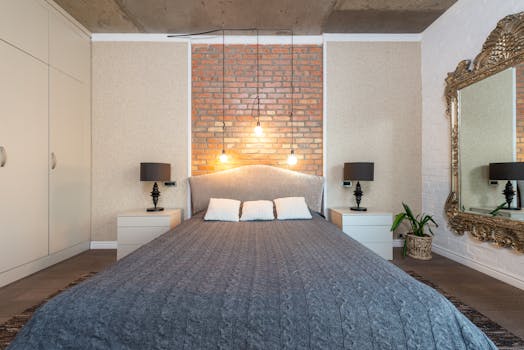

Have you ever walked into a space that felt both raw and refined, a place where exposed brick met plush velvet, and where the echoes of factory floors harmonized with the hum of modern living? This is the allure of the industrial aesthetic, but to truly master it in a residential setting requires a deeper understanding than simply leaving pipes exposed. We’re talking about modern industrial home features, a design philosophy that has evolved significantly from its utilitarian origins, now offering a sophisticated blend of grit and grace. It’s no longer about replicating a defunct warehouse; it’s about selectively borrowing its most compelling elements and integrating them into a warm, functional, and deeply personal dwelling.
The Foundation: Materiality Reimagined
At its core, the industrial style is defined by its unvarnished materiality. However, in a modern context, this translates to a more deliberate and curated use of these robust elements. Think beyond raw, unfinished concrete walls that might feel cold and unwelcoming. Instead, consider polished concrete floors that offer a sleek, durable, and surprisingly versatile base. These can be stained or sealed to achieve a range of finishes, from a dark, moody charcoal to a lighter, almost ethereal grey.
Exposed Brick, Elevated: While genuine exposed brick is a hallmark, modern interpretations might involve highly refined brickwork or even carefully selected brick veneers. The key is the intention behind its placement. It’s often used as an accent wall to add texture and history, rather than overwhelming an entire space.
Metal Accents with Precision: Metal, in its various forms, is intrinsic to industrial design. However, modern applications favour precision. Think custom-fabricated steel railings with clean lines, brushed bronze light fixtures that add warmth, or black matte hardware that provides a sharp, graphic contrast. We’re moving away from heavy, clunky ironwork towards more elegantly designed metal elements.
Wood’s Warm Embrace: To counteract the potential starkness of metal and concrete, natural wood plays a crucial role. Reclaimed wood beams can add character and warmth to ceilings, while custom-built wooden shelving or furniture pieces provide a tactile and inviting contrast. The grain and patina of the wood are celebrated, adding layers of depth to the overall scheme.
Strategic Illumination: Crafting Ambience
Lighting is a critical, yet often overlooked, component of modern industrial home features. The raw, open spaces of original industrial buildings were designed for maximum natural light, often with vast windows. Replicating this in a home requires a thoughtful approach to artificial lighting that enhances the aesthetic without sacrificing functionality.
Task Lighting with a Purpose: Think industrial-inspired pendant lights above kitchen islands or dining tables. These aren’t just decorative; their focused illumination is practical. Materials like spun metal, clear glass, or even cage designs are common.
Ambient Glow and Accentuate: Beyond task lighting, consider how to create mood. Exposed filament bulbs, while a nod to the past, can offer a warm, inviting glow. Strategically placed spotlights can highlight architectural features, like the texture of brickwork or the grain of wood, adding drama and depth.
Layering is Key: The most successful industrial interiors don’t rely on a single light source. Layering ambient, task, and accent lighting allows for adaptability, enabling the space to transition from a bright, functional daytime environment to a cozy, intimate evening retreat.
Open-Concept, Refined Layouts
The open-plan living so prevalent in modern design aligns perfectly with the functional, expansive nature of industrial spaces. However, modern industrial home features within an open layout are about creating distinct zones without resorting to the visual clutter of excessive walls.
Defining Spaces with Furniture and Rugs: Strategic placement of furniture, area rugs, and even open shelving units can delineate living, dining, and kitchen areas effectively.
Architectural Cues: Utilizing changes in ceiling height, flooring materials, or strategically placed structural elements can subtly define zones without closing them off.
Seamless Flow: The goal is a sense of continuous movement and connection between spaces, fostering interaction and a feeling of spaciousness.
Unexpected Comforts: The Softening Influence
Perhaps the most significant evolution of the industrial style is its integration with comfort and luxury. It’s no longer acceptable to live in a space that feels purely utilitarian. Modern industrial home features embrace the juxtaposition of hard and soft, raw and refined.
Textural Contrasts: Imagine a raw concrete floor softened by a plush, oversized rug. Exposed brick walls are beautifully complemented by deep, velvet upholstery or flowing linen curtains.
Curated Art and Decor: Industrial spaces can be a perfect backdrop for art. Large-scale abstract paintings, vintage photography, or even sculptural pieces can add personality and sophistication.
Smart Home Integration: The “modern” aspect of this style allows for seamless integration of technology. Smart lighting systems, discreetly hidden audio equipment, and climate control can all be incorporated without compromising the aesthetic.
The Nuance of “Industrial Chic”
It’s worth noting the distinction between true industrial design and what’s often termed “industrial chic.” While the latter borrows superficial elements, the former is about understanding the why behind those elements. A true industrial home feels authentic, rooted in its materials and functionality, yet elevated by thoughtful design. It’s about creating a space that tells a story, a narrative of resilience, creativity, and modern living. The successful execution of modern industrial home features is about striking that delicate balance – embracing the raw beauty while infusing it with warmth, personality, and the conveniences we expect in contemporary life.
Final Thoughts
Ultimately, the enduring appeal of modern industrial home features lies in its honesty and its ability to evolve. It’s a style that isn’t afraid of its past but confidently strides into the future, proving that raw can be refined, and rugged can be remarkably comfortable. For those seeking a home that is both statement-making and deeply livable, a nuanced approach to industrial design offers a powerful and timeless solution. Embrace the texture, celebrate the materiality, and don’t shy away from adding those personal touches that transform a space from merely interesting to truly unforgettable.